


The experience starts well before a bear appears. Guests generally arrive at the local Bear Centre in the Kuhmo region between 1pm and 4pm. This gives the team time to complete check-in, confirm arrangements and make sure everyone is prepared for the observation period.
Arriving on time matters. The cabin is located in active wildlife habitat, and guest movements are carefully managed. It is not a hotel where you can casually walk in and out after dark.
If you are travelling from the UK on the same day, build enough resilience into your flight and transfer schedule. A night in Kajaani or Helsinki may be a wise addition when connections are tight.
The current local schedule places dinner at around 4pm, followed by briefing and transfer at
approximately 5pm.
The briefing explains:
● when you must remain inside;
● how to minimise noise and light;
● how the toilet, kitchenette and cabin equipment work;
● what to do if wildlife approaches;
● which doors and windows must stay closed
● photography rules; and
● the morning procedure.
Listen even if you have used wildlife hides elsewhere. Each site has its own operating method, and local instructions take priority over assumptions.
The cabins sit roughly 700 metres from the Bear Centre. Although this is close in distance, the transfer marks a clear change: you are moving from the staffed base into a private wildlife observatory.
Depending on current conditions and arrangements, the local team coordinates how guests reach and enter the cabin. Bring only what you need, organised in quiet bags. Once the wildlife period begins, you cannot leave to retrieve a forgotten charger or extra layer.
The cabin feels more like a compact Scandinavian retreat than a conventional bear hide. You will find:
● A double bed;
● An en-suite shower and toilet;
● Heating;
● A kitchenette with fridge, microwave, stove, kettle and coffee facilities;
● A dining or work area;
● Large viewing windows; and
● An audio system that brings the sounds of the outdoors into the cabin.
Use the settling-in period carefully. Put cameras where they can be reached without rummaging, prepare a hot drink, identify quieter walking routes and remove bright items from the windows.
The windows work best when the cabin interior is dark. Turn off main lights and dim or cover device screens. Wear dark clothing to reduce your reflection in the glass.
Sound also travels. Bears have acute senses, and the wider site is managed to reduce disturbance. Speak only when necessary, move gently and avoid dragging chairs or knocking camera equipment.
The luxury is there to make stillness sustainable—not to make the wildlife rules optional
Much of authentic wildlife watching is quiet anticipation. At first, every stump may look like a bear. Then your eyes adjust. You begin to recognise the difference between a shadow and movement, to notice ravens looking towards the forest edge and to hear small sounds through the cabin audio.
There may be long periods without large mammals. This is normal. One guest can rest on the bed while the other watches, provided movements remain quiet. Agree on a gentle way to wake each other if an animal appears.
Avoid filling the silence with films or bright screens. Even if a device does not disturb wildlife, it can prevent you from noticing the subtle moment when the forest changes.
A wild brown bear often arrives with less drama than expected. A dark shape separates from the tree line. A head turns. Within seconds, the abstract hope of seeing a bear becomes a living animal moving through its own habitat.
The best first response is to watch. Confirm the animal’s direction, allow your breathing to settle and then reach slowly for the camera. Never:
● Open a window or door;
● Use flash;
● Tap the glass;
● Call to the bear;
● Make food or noise to attract attention; or
● Leave the cabin for a better angle.
Bears may pass close to the cabin or stay much farther away. They may remain for minutes or disappear quickly. No position, distance or duration is guaranteed.
Brown bears are the headline species, but the ecosystem is broader. Depending on natural movement, you may see wolverines, foxes, ravens and other birds. Wolves occur in the region but are rarely observed.
The possibility of multiple species keeps the watch interesting. A wolverine can be an exceptional sighting in its own right, and bird behaviour may alert you to activity beyond your immediate view.
The private kitchenette and en-suite bathroom are central to the cabin’s comfort. Prepare food and drinks as quietly as possible. Avoid strong interior light and noisy packaging during the main observation hours.
The ability to use a normal toilet and shower is a defining contrast with a basic overnight hide. It allows guests to remain inside for the required period without sacrificing essential comfort.
Use water thoughtfully and follow the operator’s instructions for cabin systems.
You have a double bed, but sleep is a personal choice. Some guests stay alert for most of the night; others alternate short rests.
In summer, the long northern light can make time feel suspended. In spring and autumn, darkness creates a more intense sense of listening. The cabin remains heated, yet the emotional charge of waiting may keep you awake.
Set cameras to quiet modes before resting. Do not rely on an alarm that could sound suddenly. If sharing, agree on watching shifts and a silent wake-up signal.
The current schedule lists breakfast from approximately 7.30am. Follow the local procedure before opening any door or preparing to leave. Wildlife may still be nearby, even if you cannot see it.
Morning is a chance to compare impressions, review a few photographs and absorb what happened. Guests often discover that their most vivid memory is not only the closest bear, but the first moment it emerged.
Checkout is normally by midday, leaving time to shower, pack and transition back to ordinary travel.
Arrival and check-in
Dinner
Briefing and transfer to cabin
Quiet wildlife observation
Breakfast according to local arrangements
Checkout
This is a guide based on current operator information. Your confirmed programme may differ.
The local operator currently describes bear sighting probability across the season as approximately 80–95%, depending on the period. That is a useful indication, not a promise.
Daily weather, natural food, individual bear ranges and simple chance all influence an evening. Booking two nights gives you more opportunity than placing every expectation on a single session.
Kyle has worked extensively with brown bears across Finland for the past decade and has successfully guided hundreds of nature enthusiasts of all ages and nationalities through the country’s diverse Nordic seasons. His knowledge of the best locations for bear photography throughout Finland is second to none.
Having grown up in Norway, Roger developed a lifelong appreciation for bears. For over 30 years, he has dedicated his career to photographing bears in Finland and is widely recognised for his work with these remarkable animals. His images have appeared in numerous European publications, and he has collaborated with broadcasters including the BBC on the acclaimed series Wild Scandinavia. In 2024, he published two books: The Bear – the Strongest in the Country and The Wolf – the Smartest in the Forest.
Preparation allows the actual night to feel spacious rather than busy.
Yes. Guests remain inside for the designated wildlife period and leave only according to the local team’s instructions.
Yes. The luxury cabin has a double bed with bed linen.
Yes. Each cabin has a private en-suite shower and toilet.
The programme includes scheduled meals according to the booked arrangement. Confirm exactly what is included in your quotation and bring only permitted extras.
You can rest on the bed, but many guests choose to alternate watches. The bear may pass without waking you, so agree on a quiet system with your companion.
Do not plan the experience around connectivity. Use the cabin as a wildlife retreat and confirm any essential communications with the operator in advance.
The briefing, solid cabin and strict instructions are designed to create a managed experience. Raise concerns before transfer so the local team can explain what to expect.
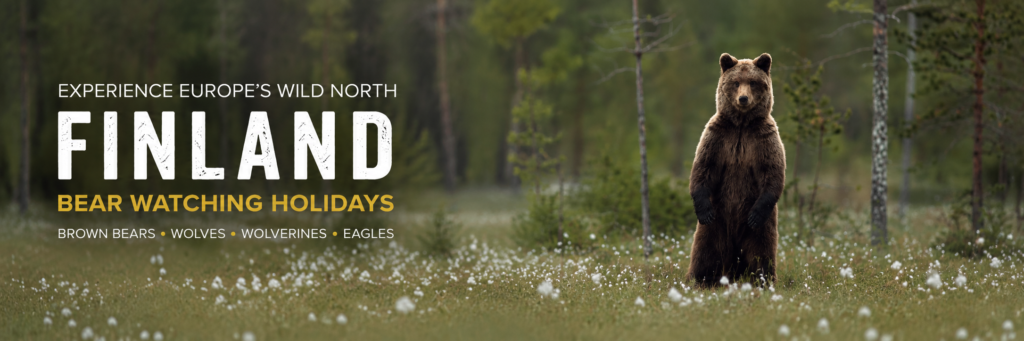
Natures Thrill can arrange the cabin stay, recommend the right number of nights and connect it smoothly with flights and transfers. The result is not simply accommodation—it is an entire night shaped around the possibility of wild bears.

Our weekly Newsletter highlights new adventures, exclusive offers, webinars, nature news, travel ideas, photography tips and more. Sign up today!

Get latest travel deals, inspiration, and exclusive offers delivered directly.
Error: Contact form not found.