Planning a Kenya safari in 2027 or beyond? New entry requirements mean international visitors must now account for mandatory inbound travel health insurance when preparing for their trip. Here’s what UK travellers need to know about the new rules, the additional cost, existing travel insurance and how to prepare for your Kenyan wildlife adventure.
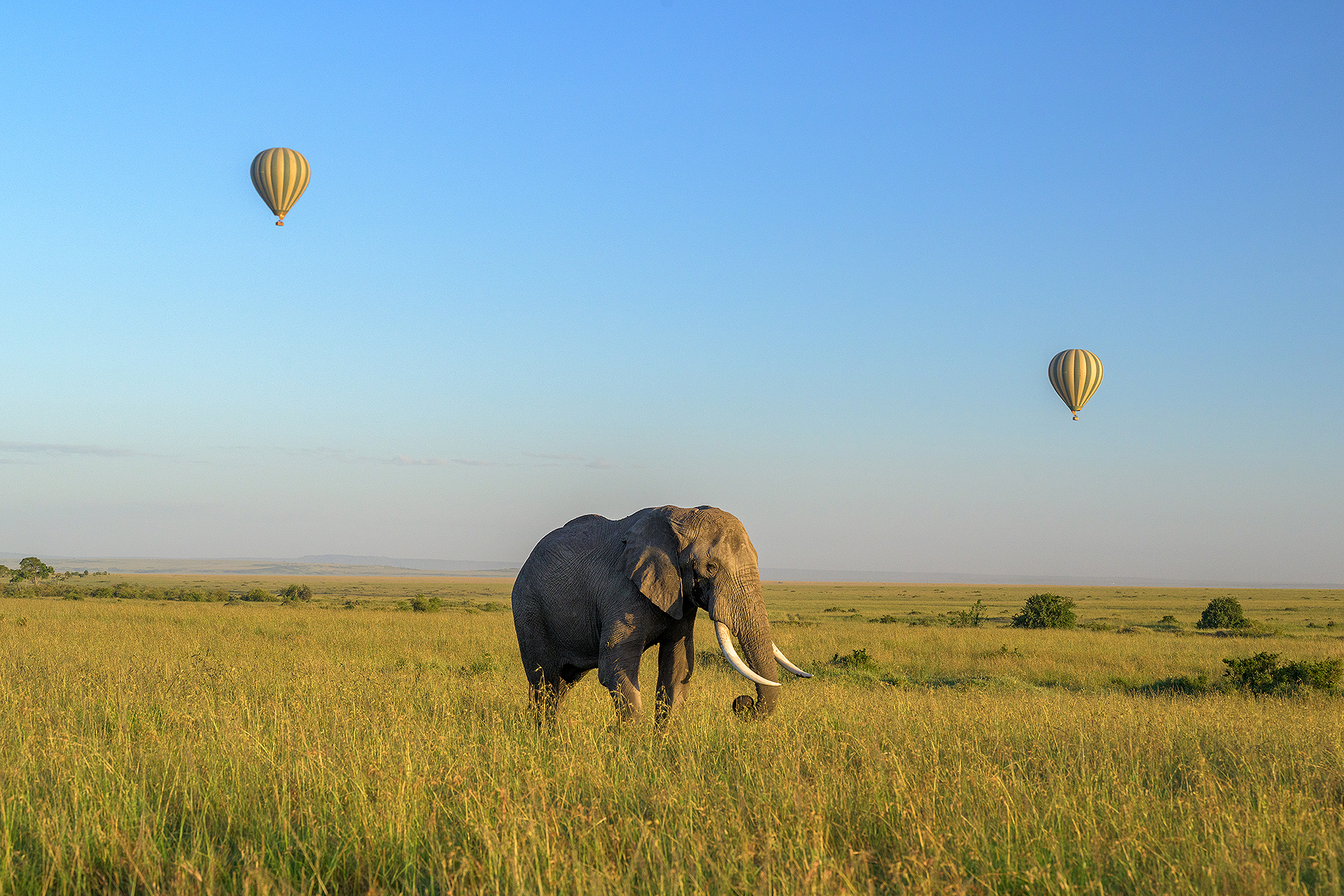
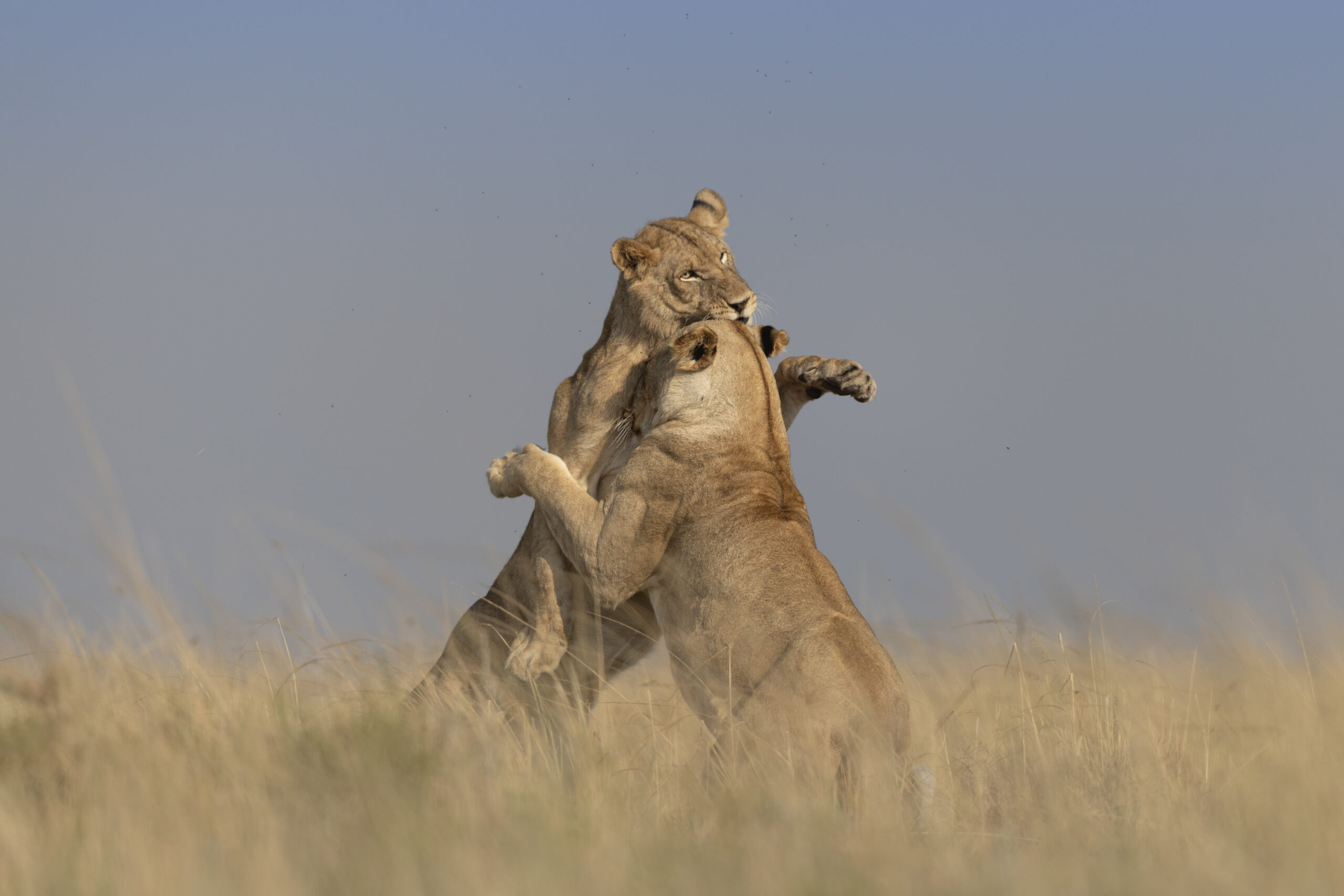
Kenya remains one of Africa’s most extraordinary wildlife destinations, offering unforgettable opportunities to encounter lions, elephants, cheetahs and other iconic species across its diverse landscapes. However, from October 2026, there is an important change to the country’s entry requirements that travellers should understand before booking their flights.
Kenya has introduced a mandatory inbound travel health insurance scheme for eligible international visitors. The requirement adds another step to the travel preparation process, including for those who already have comprehensive travel insurance arranged at home.
At Natures Thrill, we believe good preparation is an important part of every wildlife holiday. This guide explains what has changed, how the new insurance works and what to consider when planning your next Kenyan safari.
Information reviewed: 19 October 2026.
Kenya introduced its mandatory inbound travel health insurance requirement in October 2026. The scheme is intended to provide visitors with a defined level of medical protection while in the country.
According to Kenya’s official insurance portal, non-Kenyan visitors entering the country for short stays generally need to obtain the prescribed insurance, subject to specified exemptions. The requirement applies independently of whether a traveller needs an Electronic Travel Authorisation (eTA).
The new insurance requirement took effect from 5 October 2026, according to the official portal. Travellers should obtain the policy through the designated government process before departure.
For most UK visitors planning a wildlife holiday, the practical implications are straightforward:
The scheme is separate from the usual eTA application fee. Entry requirements and fees can change, so check the latest information before submitting your application.
Official source: Kenya Inbound Travel Health Insurance Portal
This is likely to be one of the most common questions among British travellers planning a safari.
Many UK visitors already purchase travel insurance covering overseas medical treatment, emergency assistance, cancellation, baggage and repatriation. Some specialist policies also provide additional protection for adventure activities or expensive photographic equipment.
However, Kenya’s new inbound insurance scheme is a separate statutory requirement. Having a private policy from a UK insurer does not automatically exempt you from purchasing the prescribed Kenyan cover.
The official insurance portal directs travellers who require an eTA to obtain the inbound policy through the application process. Travellers who are exempt from the eTA requirement may still need the insurance and should follow the separate application instructions.
Consequently, travellers should budget for both the mandatory Kenyan policy and their normal travel insurance.
Although the additional expense may be frustrating for visitors who already have extensive cover, it is important to comply with the entry requirements rather than assume that an existing policy will be accepted as a substitute.
Before departure, check the latest official instructions to see whether any changes have been made to exemptions or the process for travellers holding insurance from their home country.
The Kenyan Insurance Regulatory Authority’s official portal lists the following benefits under the inbound travel health insurance scheme.
Benefit | Published limit |
Medical expenses | US$20,000 |
Emergency medical transportation | US$25,000 |
Prescribed medicines | US$300 |
Mental illness | US$1,000 |
Repatriation of remains | US$5,000 |
These are published benefit limits, not a guarantee that every expense will be covered. The policy’s detailed terms, conditions, exclusions and claims procedures determine how cover applies in individual circumstances.
The official portal describes the policy as providing cover for 90 days. Travellers whose itineraries extend beyond this period should confirm the appropriate arrangements directly with the scheme administrator.
Official source: Kenya Inbound Travel Health Insurance — benefits and eligibility
For most travellers, the sensible approach is to retain comprehensive travel insurance even after purchasing the mandatory Kenyan policy.
A wildlife safari can involve travelling far from major towns and medical facilities. Depending on the itinerary, an emergency may require specialist assistance, transportation to a suitable hospital or evacuation from a remote location.
The distinction between emergency medical transportation and the full range of services that a traveller might need is particularly important when reviewing insurance cover.
Before travelling, check that your existing policy is appropriate for your planned itinerary and activities. Consider the following:
A mandatory entry policy and comprehensive travel insurance serve different purposes. The additional Kenyan cover should not be a reason to reduce the protection you would otherwise arrange.
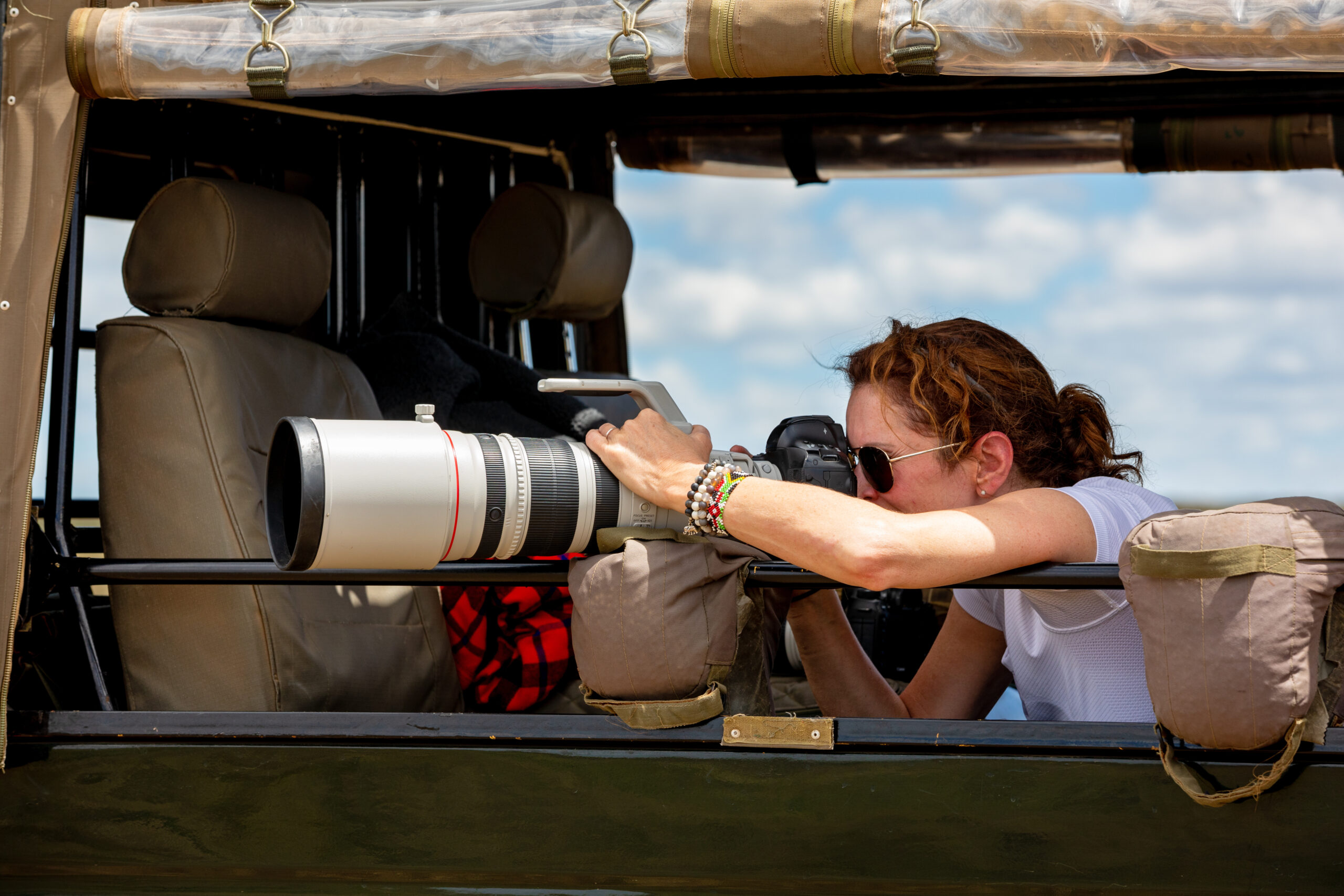
For wildlife photographers, insurance considerations extend beyond medical emergencies.
A safari may involve travelling with camera bodies, long telephoto lenses, laptops, batteries and other specialist equipment. The total value of this equipment can be substantial, and standard travel insurance policies may have relatively low limits for individual items or photographic gear.
Kenya’s mandatory inbound health insurance is not a substitute for appropriate equipment insurance.
If you are travelling with expensive photography equipment, check:
It is also worth reviewing your airline’s baggage conditions and keeping a record of your equipment, including serial numbers and proof of ownership.
Preparing these details before departure can make it easier to deal with an unexpected problem while travelling.
The insurance should be obtained through Kenya’s official government process.
For travellers who require an Electronic Travel Authorisation, the insurance purchase is integrated into the eTA application process. Those who do not require an eTA should check the separate instructions on the official insurance portal.
Use the following steps when preparing for your trip:
1. Check your eligibility. Review the latest insurance requirements and any exemptions that may apply to your nationality or circumstances.
2. Prepare your travel information. Have your passport details, contact information and itinerary available before starting the application.
3. Use the official government portal. Begin with the Kenya eTA website if you require an eTA, or consult the official inbound insurance portal for the applicable process.
4. Review the premium and policy terms. Confirm the amount payable, the period of cover, the benefits and any applicable conditions before completing payment.
5. Save your confirmation. Keep your insurance certificate and eTA approval, where applicable, somewhere accessible throughout your journey.
Avoid leaving the process until the day before departure. Allow sufficient time to resolve any application or payment issues.
British citizens visiting Kenya for tourism generally need to obtain an approved Electronic Travel Authorisation before travelling.
The UK government’s current guidance recommends applying at least two weeks before departure. Travellers should also ensure that their passport meets the applicable validity requirements.
As the new insurance arrangements are integrated into the entry process, it is worth checking both requirements together when preparing your travel documents.
There is usually little benefit in completing an application unnecessarily far in advance, particularly if you are travelling many months later and the rules may change. Instead, review the official guidance when your travel preparations begin and allow enough time for the application to be processed.
Always apply through the official government website rather than an unaffiliated service that may charge additional administration fees.
Official sources:
The official insurance portal lists exemptions for certain categories of travellers, including Kenyan citizens, holders of valid Kenyan residence status, citizens of East African Community partner states, specified diplomatic and official passport holders, and certain qualifying crew members and transit passengers.
Importantly, exemption from the eTA requirement does not automatically mean exemption from the mandatory insurance requirement.
Travellers with unusual circumstances, different passport types, multiple nationalities or complex itineraries should check the rules that apply to them directly with the relevant Kenyan authorities.
For a conventional UK safari holiday, the safest approach is to assume that the insurance requirement applies unless the official guidance confirms otherwise.
The introduction of mandatory inbound travel health insurance is an additional consideration when budgeting and preparing for a Kenyan wildlife holiday. However, it does not change the extraordinary wildlife experiences that make Kenya such a rewarding destination.
From the iconic grasslands of the Maasai Mara to the country’s wider network of wildlife reserves and conservancies, Kenya offers opportunities to observe Africa’s remarkable animals in their natural habitats.
For travellers planning ahead, the most useful approach is to incorporate the new requirement into the wider preparation process. Check the latest entry rules, allow time to complete the necessary applications, arrange suitable travel insurance and make sure your documentation is ready before leaving home.
At Natures Thrill, we encourage travellers to prepare carefully so that once the adventure begins, they can concentrate on the experience rather than avoidable administrative issues.
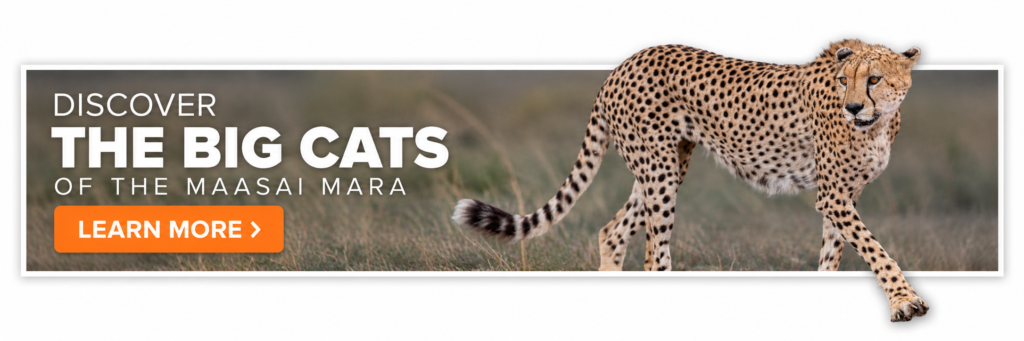
Kenya is a destination where patience, expert local knowledge and time in the field can make all the difference. The Maasai Mara’s open savannahs and remarkable wildlife offer memorable opportunities to observe predators, elephants and other iconic African species.
Our Maasai Mara safari is designed for travellers who want to immerse themselves in the natural world, with a considered approach to wildlife viewing and photography.
If Kenya is on your travel list for 2027 or beyond, explore our safari itinerary and begin planning your next wildlife adventure.
Travel information disclaimer: This article is intended as a general guide for UK travellers and is not legal, immigration or insurance advice. Kenya’s entry requirements, insurance premiums, eligibility rules and policy terms can change. Always verify the current requirements with the Kenyan government and the UK Foreign, Commonwealth & Development Office before departure.
Yes, and this is one of the reasons specialist wolf photography is so exciting. Wolves are social animals and may travel in family groups or packs, although whether a particular session produces a single wolf or several animals depends entirely on natural behaviour. Wildlife Safaris Finland specifically notes that wolves visiting its photography areas may appear alone or in a pack.
A pack encounter can be extraordinary because the photographic possibilities change completely. Instead of concentrating on a single animal, photographers can watch social interactions, movement and changing positions within the group. However, these encounters should be regarded as a fortunate outcome rather than something that can be guaranteed simply by booking a particular date.
The answer is close enough for excellent photography, but the objective is never to approach the animal. Specialist hides allow wolves to come within photographic range while visitors remain concealed. This is very different from walking towards a wolf or attempting to follow one through the forest. The best wildlife photography often comes from allowing the animal to control the encounter. When a wolf approaches a hide naturally, the photographer can work with the animal’s behaviour without chasing it, calling it or otherwise interfering. This is both safer and more respectful of the wildlife.
Yes. Specialist sites can occasionally produce encounters with more than one individual during a session, although the exact number varies considerably. Finnature notes that it is not uncommon to encounter several individuals during a single night at selected photography sites, while also stressing that quiet nights do occur.
For photographers, multiple animals create very different opportunities from a single wolverine. Interactions, movement and changing positions can produce more dynamic images, although the photographer needs to remain alert because the action can develop quickly.
One of the greatest advantages of travelling for wolves in eastern Finland is that you are entering a landscape shared by several of Europe’s most sought-after mammals. Brown bears and wolverines are the obvious companions, but depending on location and season you may also encounter forest reindeer, moose, foxes, eagles, capercaillie, black grouse and numerous smaller boreal species.
This makes a predator-focused holiday much more rewarding than a single-species trip. A quiet afternoon waiting for wolves can become an opportunity to photograph an eagle, while a night in a hide may produce bears and wolverines as well as the target species. The wider ecosystem is always part of the experience.
Wolves are an important and sometimes controversial part of Finland’s natural heritage. They are protected under Finnish and European legislation, and their conservation remains a subject of considerable public discussion. For visitors, the most important principle is simple: observe wolves without interfering with them.
Never attempt to approach, follow or feed a wolf for the sake of a photograph. If you are using a specialist hide, follow the instructions of the guide and remain in the designated area. The strongest wildlife experiences come from allowing animals to behave naturally, and responsible tourism helps ensure that these opportunities remain available for future visitors.
From the sweeping savannahs of the Maasai Mara to Kenya’s remarkable wildlife reserves, discover a collection of unforgettable Kenyan safaris with Natures Thrill. Whether you dream of witnessing the Great Migration, photographing Africa’s iconic wildlife or experiencing an authentic safari beneath the African sky, explore our carefully curated itineraries and find your next wilderness adventure.

Our weekly Newsletter highlights new adventures, exclusive offers, webinars, nature news, travel ideas, photography tips and more. Sign up today!
Get latest travel deals, inspiration, and exclusive offers delivered directly.
Error: Contact form not found.