Europe’s last great wilderness, where bears, wolves and wolverines still roam free. Explore our free Finland resource centre to discover more about this remarkable wild landscape, its incredible wildlife and everything you need to know before travelling.
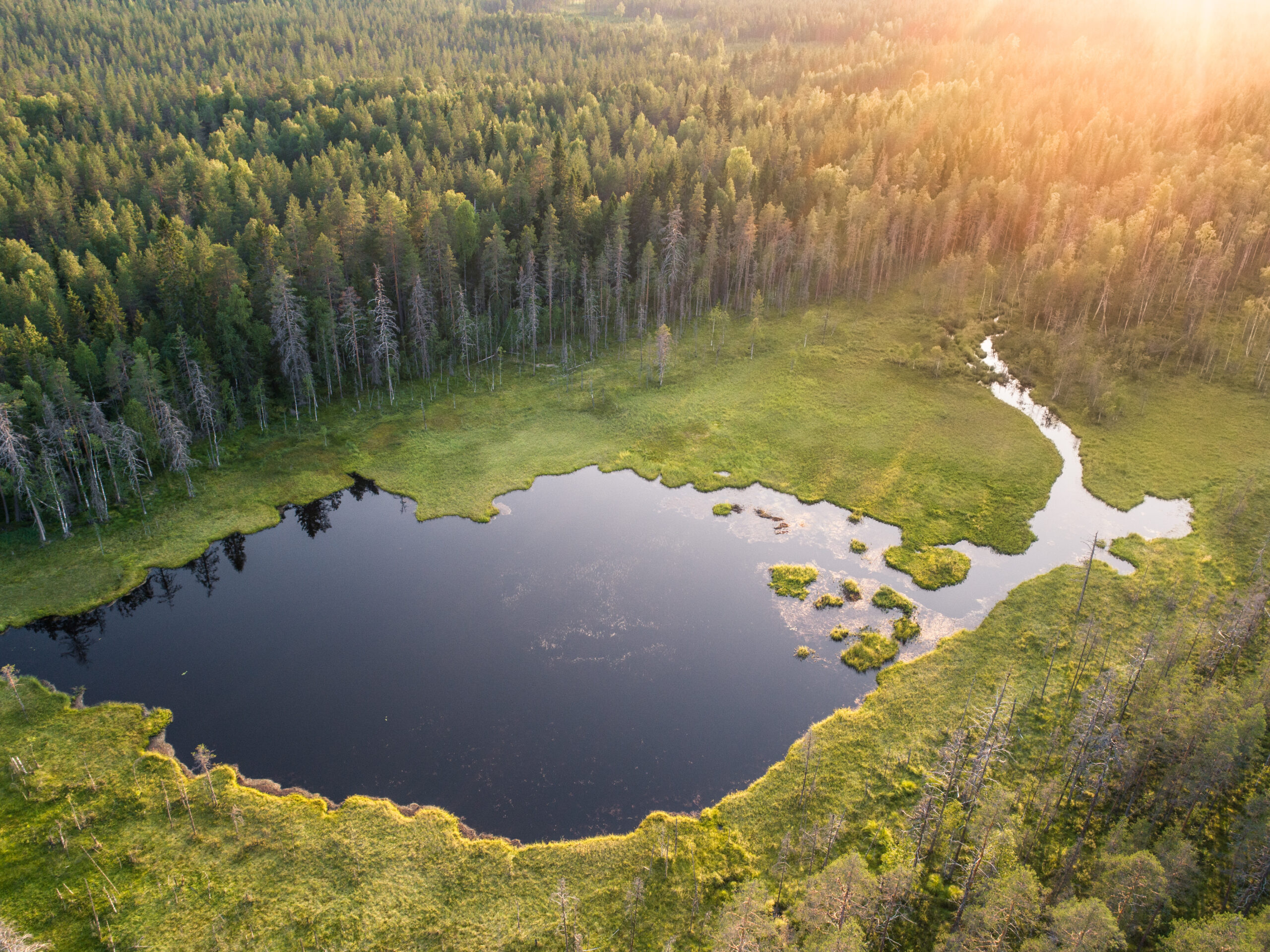
Finland is one of Europe’s last great wildernesses — a country shaped by
ancient boreal forests, vast wetlands and more than 188,000 lakes, where apex predators
still dominate the landscape.
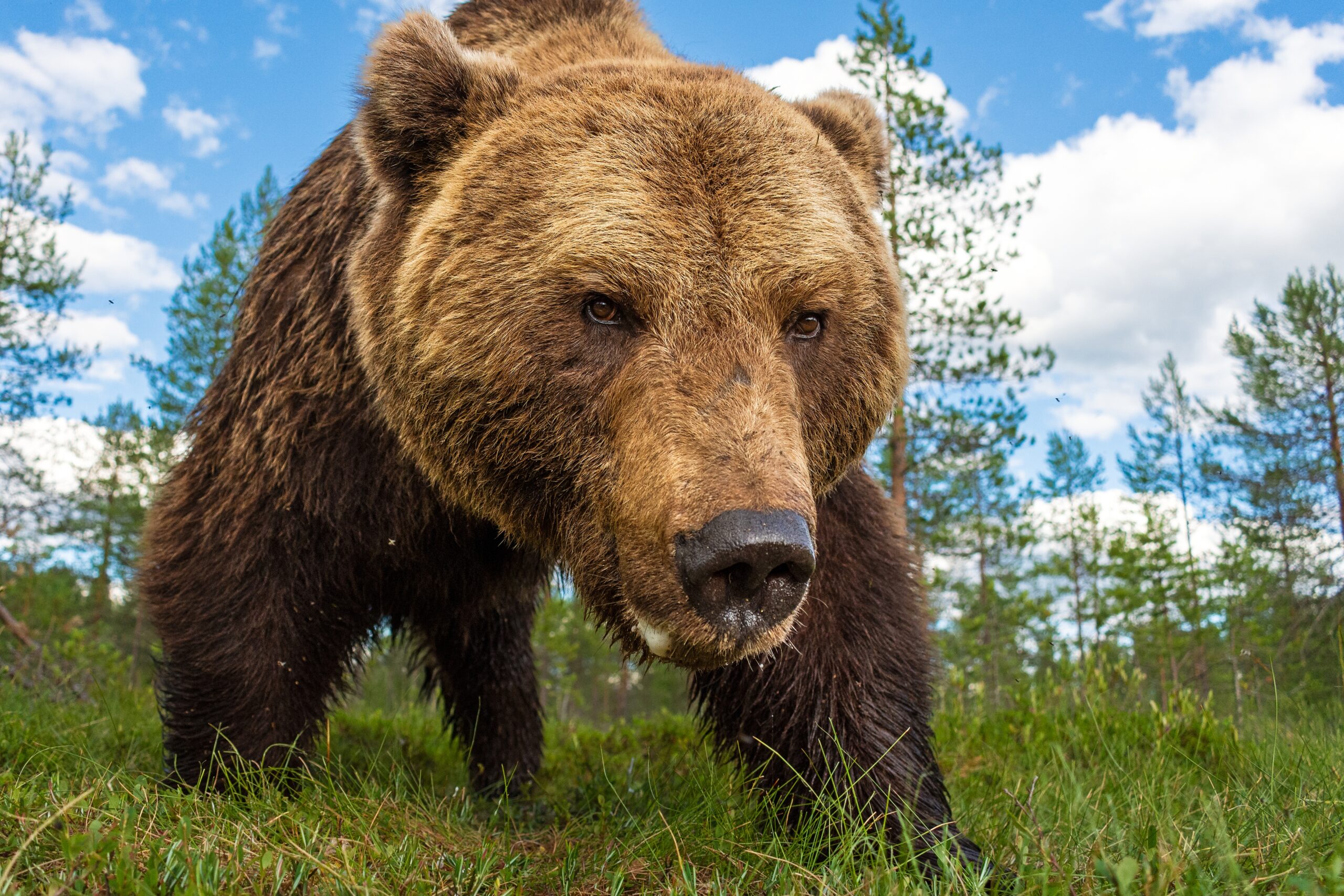
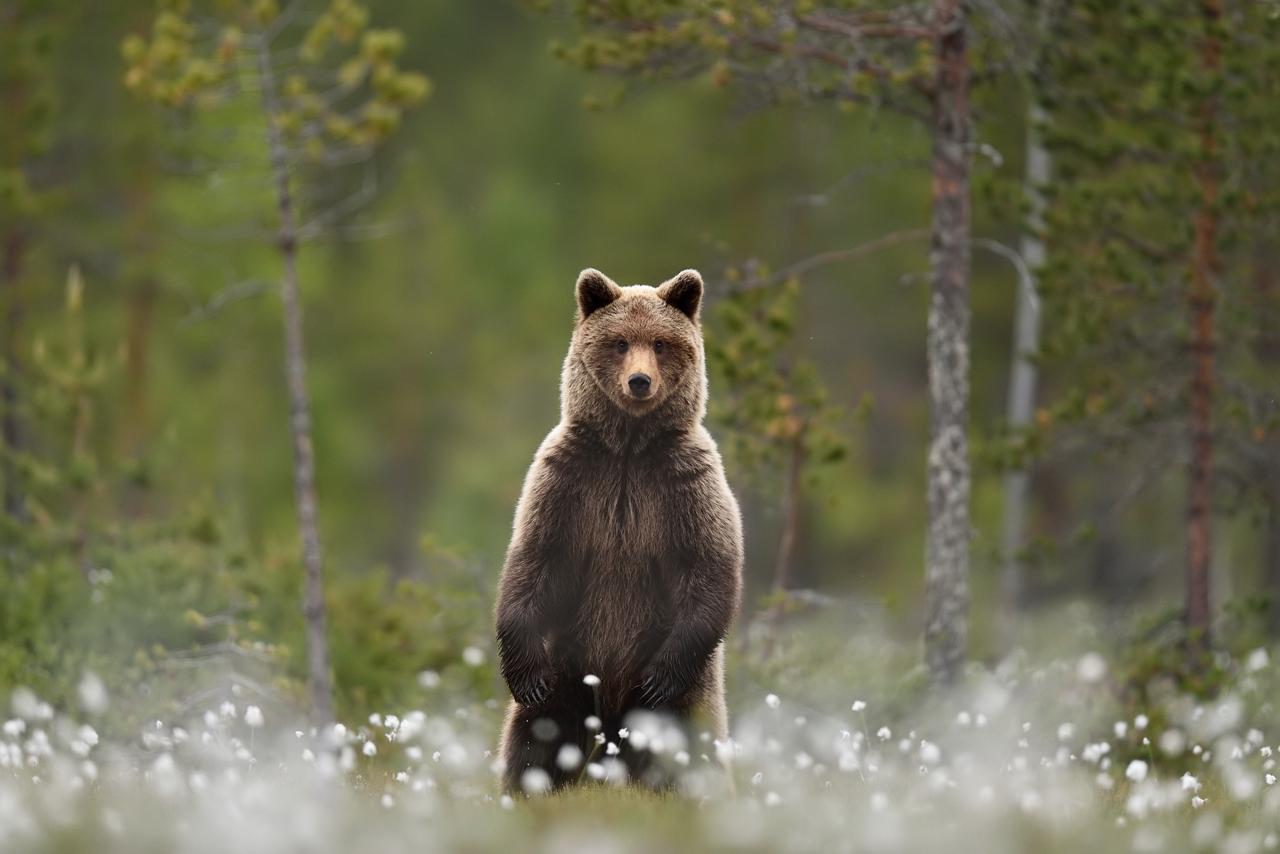
Deep within the Finnish taiga, brown bears wander beneath towering pines,
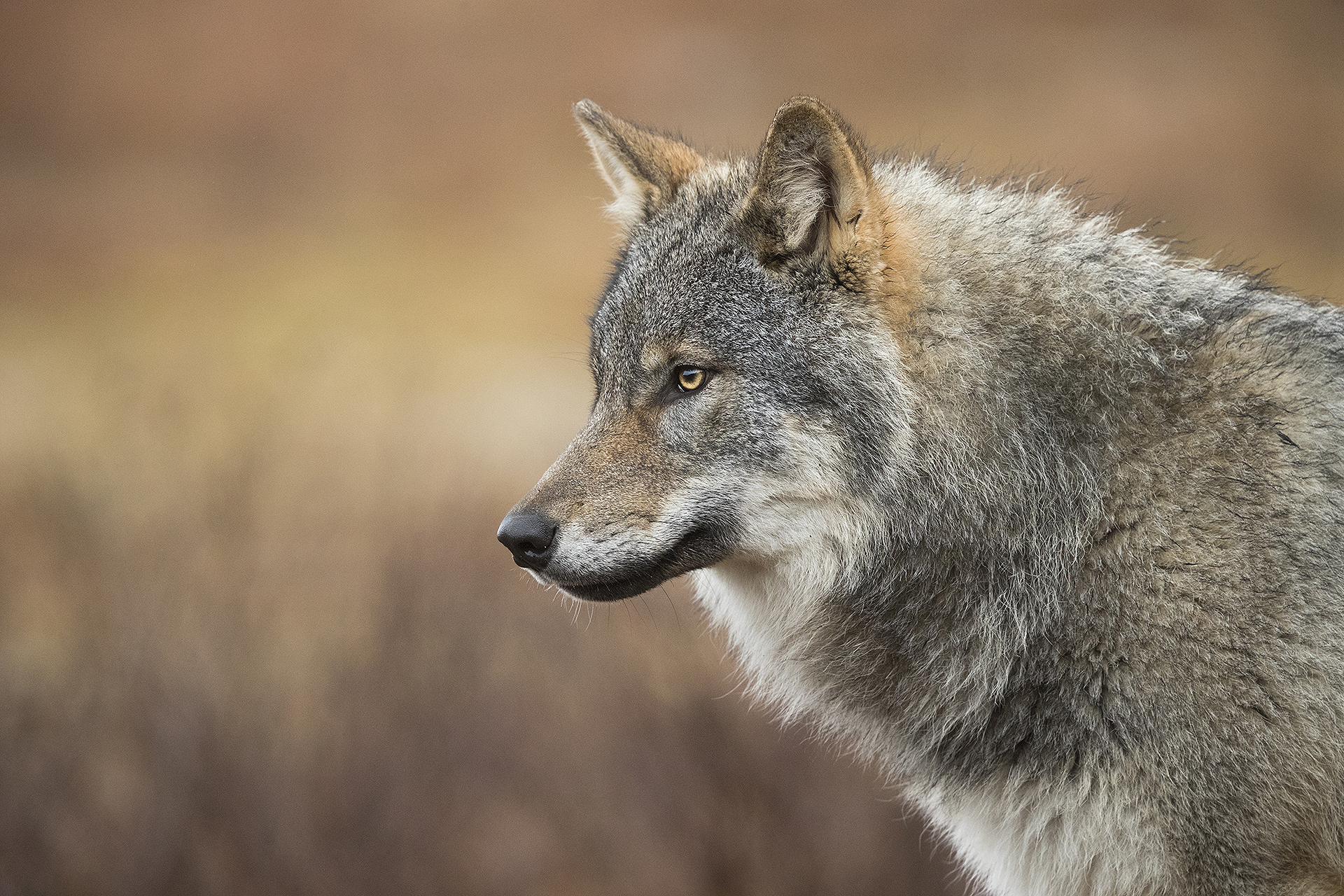
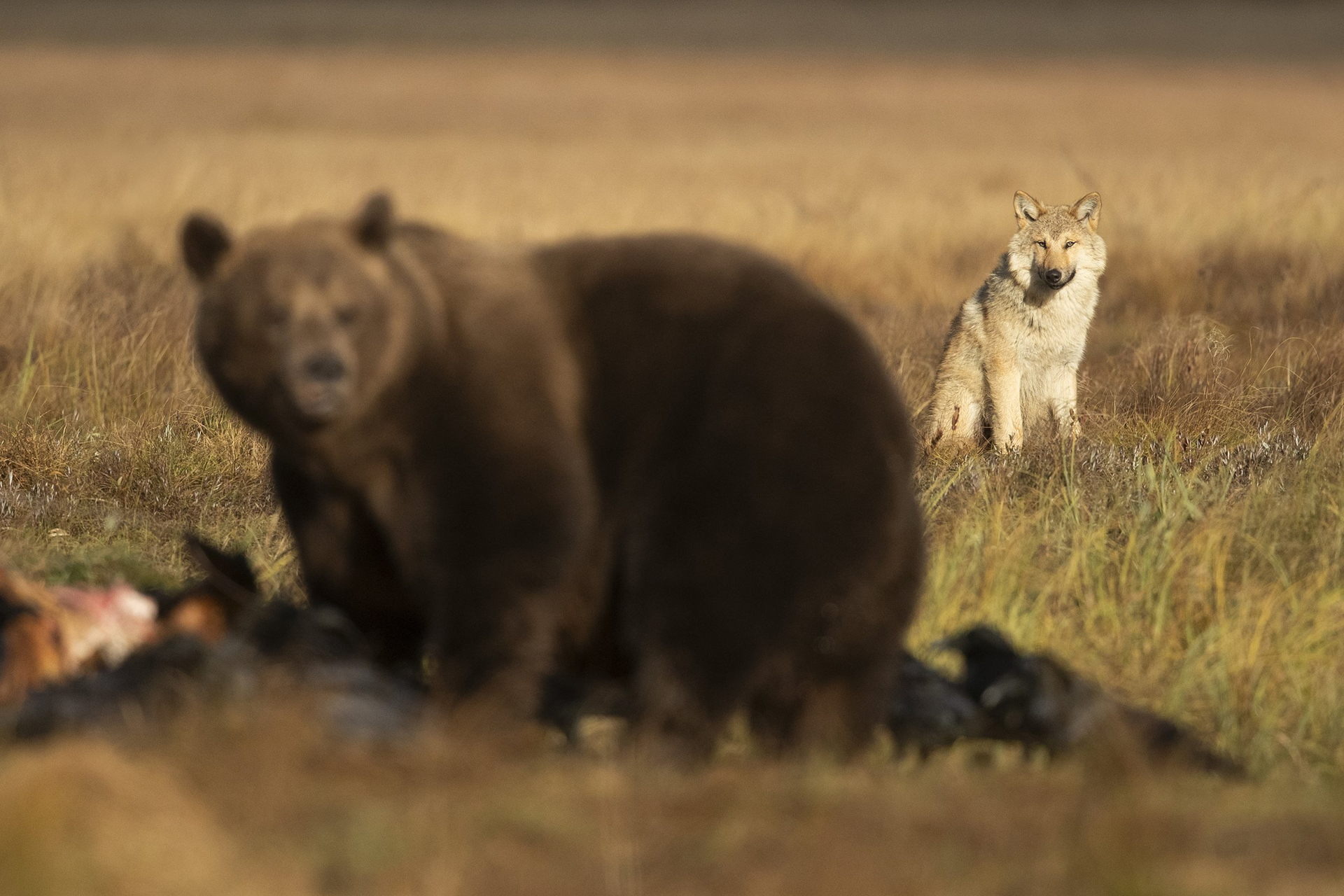
wolves move silently through the forests and wolverines roam some of Europe’s most remote
borderlands. Golden eagles circle above open mires, while moose, forest reindeer and
countless northern species inhabit a landscape that changes dramatically with each of
Finland’s four distinct seasons.
Wildlife beltGateway airport
Gateway airports and the eastern wildlife-watching belt along the Russian border.
4Large carnivores
188,000Lakes
75%Forest cover
4Distinct seasons
Landscape & Ecosystem
Discover Finland's Wild Taiga
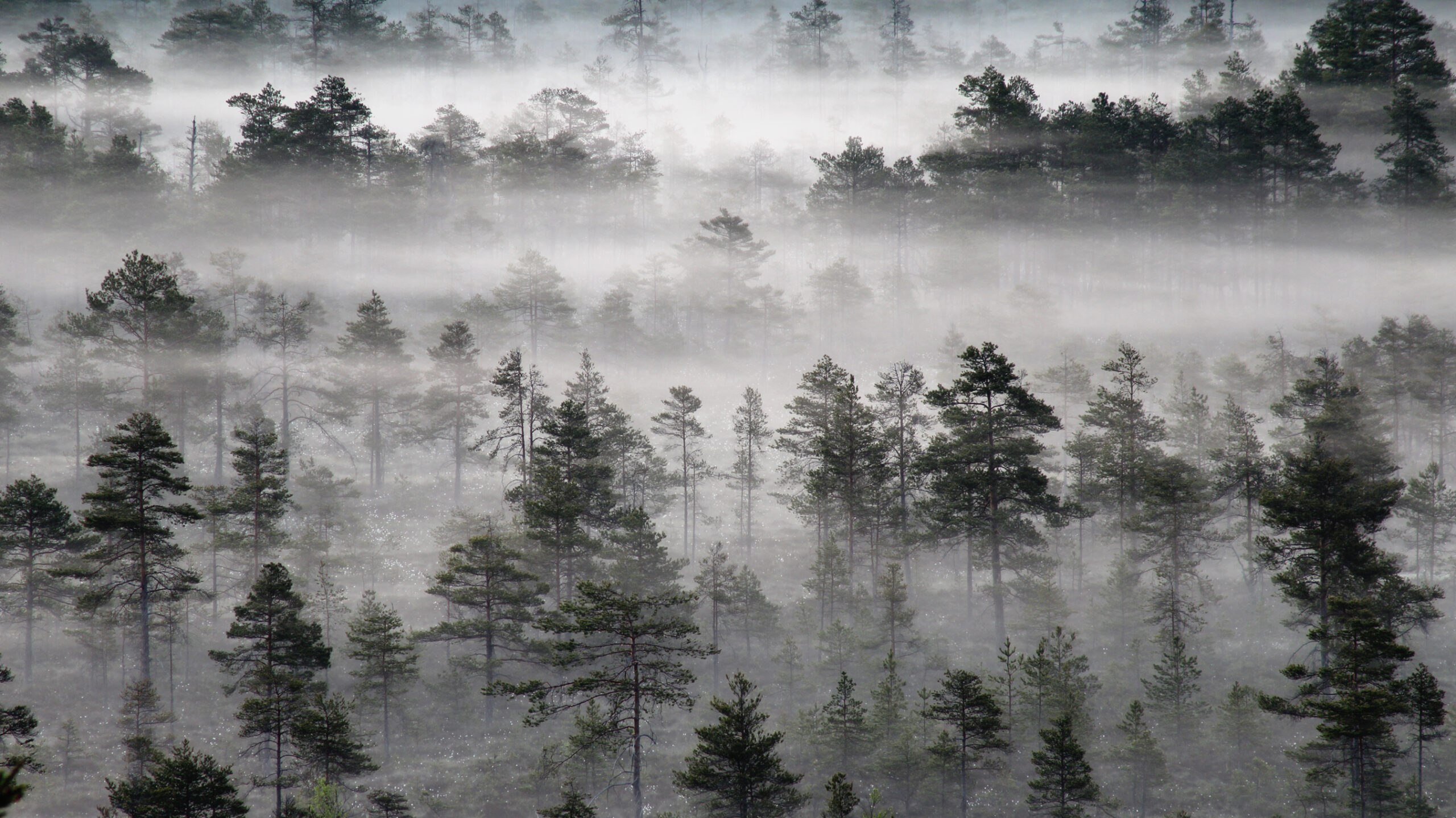
To understand Finland’s wildlife you first have to understand the forest it lives in. The taiga is the largest land biome on earth, and Finland sits at its western edge — a mosaic of pine, spruce, mire and water that has shaped every animal on this page.
01
The Finnish Taiga
Old-growth pine and spruce on thin post-glacial soil — far more varied than it first looks.
02
Eastern Finland
Kainuu and North Karelia hold the country’s densest large-carnivore populations.
03
Russian Border Wilderness
A long, thinly populated frontier of unbroken forest where predators move freely.
04
Finland's Forests
Around three-quarters of the country is wooded, sheltering jays, owls, moose and grouse.
05
Lakes & Wetlands
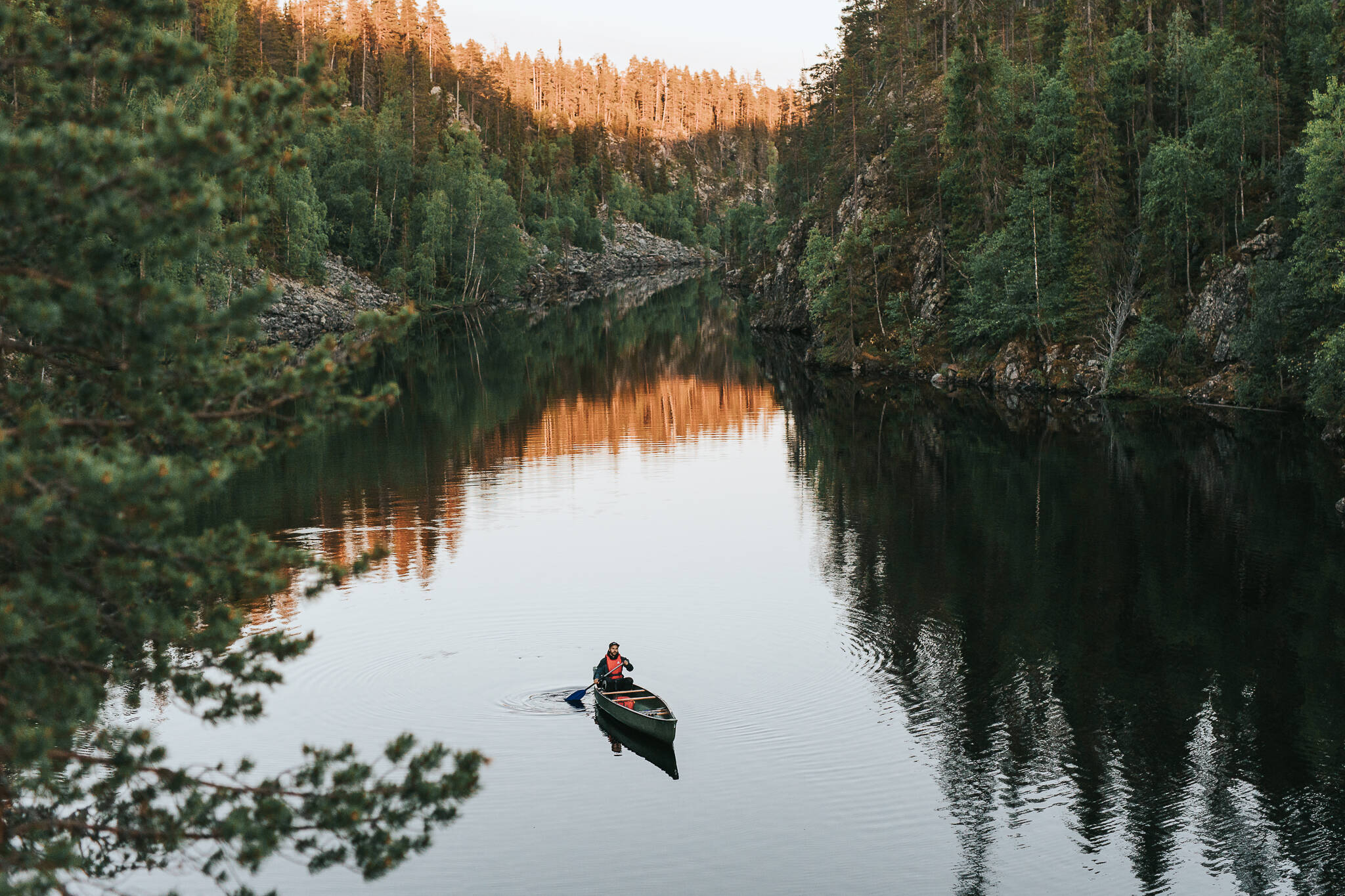
188,000 lakes and vast mire systems — home to eagles, otters and moose at first light.
06
Supports Large Carnivores
Space, connectivity and legal protection since the 1970s let all four carnivores recover together.
For First-Time Bear Watchers
Bear Watching Explained
Nobody explains what a night in a hide is actually like, so here it is in plain terms — how the hides work, what the facilities are, and what the experience asks of you. Short answers here; the full detail is in the linked guides.
How close do the bears come?
Closer than most people expect. Bears regularly pass within 15–30 metres of the hides and occasionally walk directly past the wall. You will hear them breathing. This is normal, it is safe, and it is why a 300mm lens is usually enough.
Can I charge camera equipment?
Not in most hides — they are deliberately off-grid and unlit. Charge everything at the lodge before you walk in and bring at least two spare batteries. Cold nights drain them faster than you expect.
What should I wear?
Quiet, muted, non-rustling outer layers, a thermal base, a warm mid-layer for the small hours and waterproof boots for the walk in. Avoid anything that crackles when you move — hides are silent, and fabric noise carries.
How bad are the mosquitoes?
From June to August, genuinely bad near the wetlands at dusk — but only on the walk in and out. Inside the hide they are manageable with repellent and a head net. By September they have largely gone.
Questions
Finland, answered
Am I guaranteed to see a bear?
No sighting in the wild is ever guaranteed, but odds in our hides are high across the May–September season — most departures see bears on the majority of nights. Your guide will always be honest about the odds for your specific dates.
Is it safe to be that close to bears?
Yes. Hides are purpose-built, tested structures on sites used for years, and animals are entirely free to come and go. You stay inside, quiet and still, and guides brief every group before the first sit.
What camera gear should I bring?
A lens in the 300mm+ range covers most sightings, plus a beanbag or small tripod since hides don’t allow tripod legs to be set up freely. Bring spare batteries — cold nights drain them fast.
Can I combine Finland with the northern lights?
Yes — our autumn and winter departures are timed around aurora-active nights, though bears and lights don’t overlap; bear season is light, aurora season is dark.
Do I sleep in the hide?
On overnight departures, yes — the hides have simple bunks so you can rest between sightings. On shorter breaks you watch for a set session, usually early evening into the night, then return to the lodge to sleep.
How fit do I need to be?
No technical fitness is required. Most hides are a short, flat walk from the vehicle drop-off. Longer walk-in hides are flagged clearly on the trip page so you can choose accordingly.
Are the mosquitoes really that bad?
From June to August, yes, especially near wetlands at dusk. A head net and strong repellent make hides comfortable; by September they’re mostly gone.
Do you run trips for non-photographers?
Absolutely. Roughly half our guests bring nothing more than binoculars. Hides are built for watching first, photography second.
Travel with us
Experience Finland's wildlife with us
Bear Watching Holidays
Open-hide sightings of bears, and Europe’s largest eagle, the white-tailed sea eagle.
Predator Photography Holidays
Photography-led trips around bears, wolves and wolverines, with the right light and hides.
Luxury Bear Cabin Stays
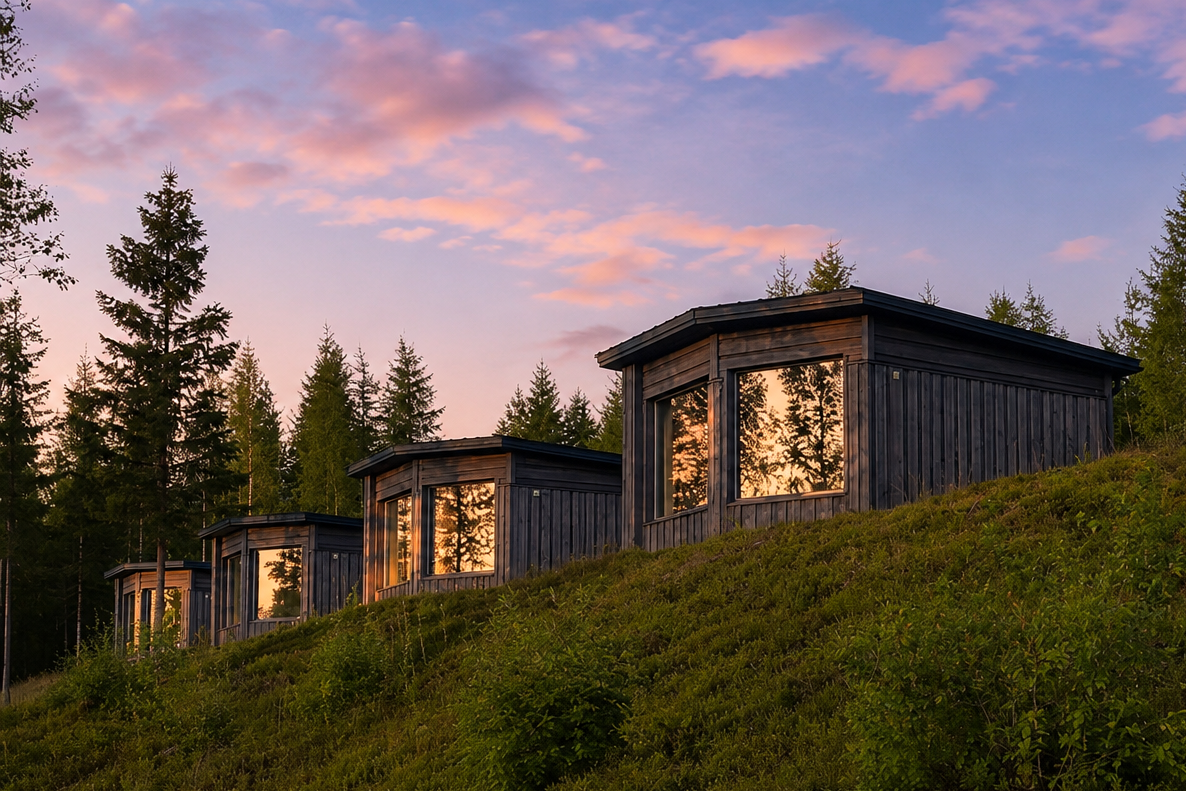
Private en-suite cabins at the forest edge — comfort and wildlife watching in one place.